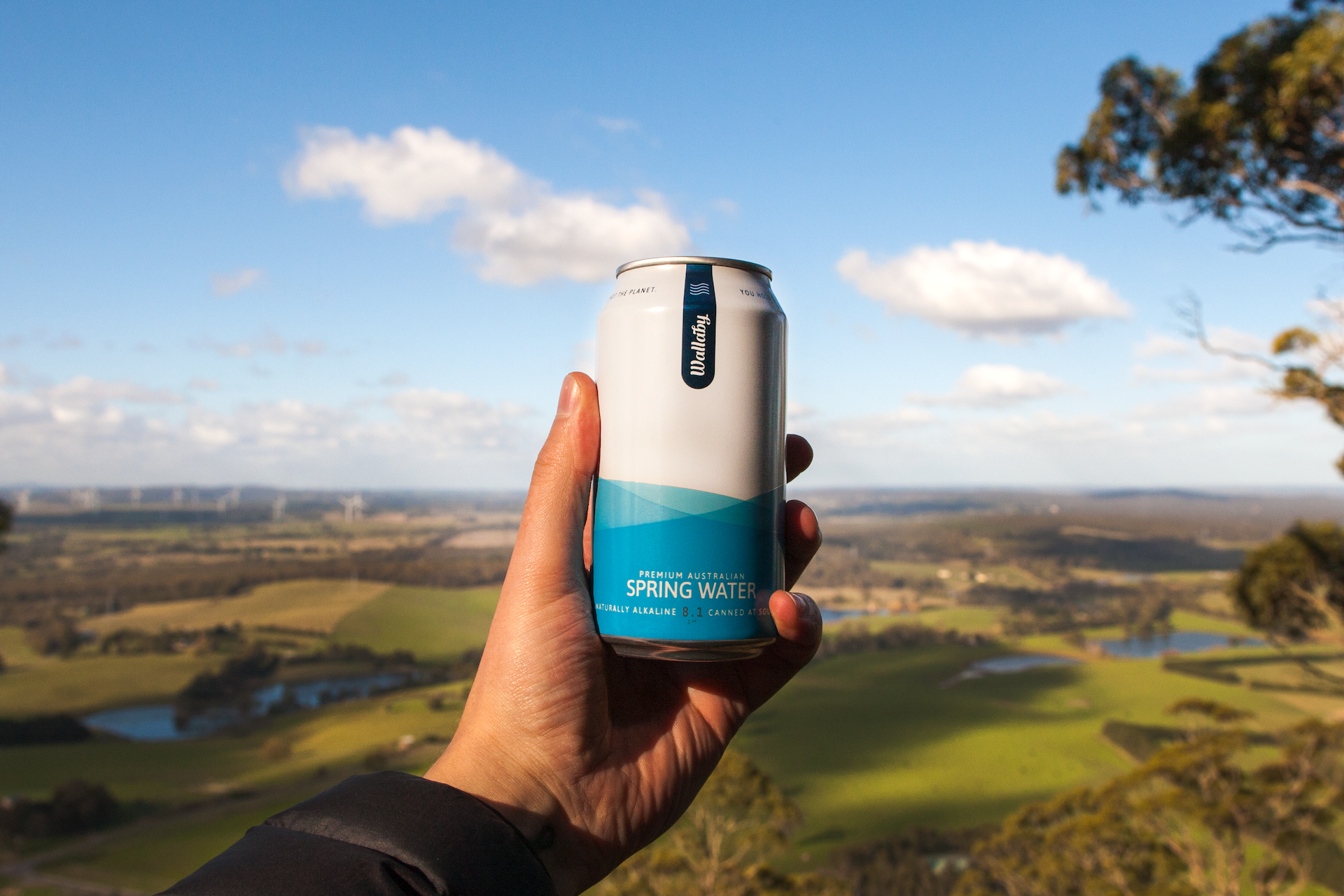
A thoughtful drinks brand isn’t built on taste alone. It’s shaped by every decision that happens before a customer takes a sip, from sourcing and production to transport, storage and packaging. In a crowded beverage market, packaging has become one of the clearest ways for brands to show what they value. It affects shelf appeal, product freshness, shipping efficiency, environmental impact and the everyday experience of the person holding the drink.
That’s why conversations about aluminium cans versus glass bottles matter. Packaging isn’t just a container. It’s a signal. It tells customers whether a brand has thought beyond presentation and considered the full journey of the product, from manufacture to disposal or recycling.
Why Glass Still Carries a Premium Feel
For a long time, glass carried a premium image. It felt sturdy, familiar and visually clean. Many consumers still associate glass bottles with quality, especially in categories such as mineral water, mixers, wine and boutique soft drinks. There’s a tactile appeal to glass that’s hard to ignore. It feels weighty in the hand and looks elegant on a table.
But premium perception isn’t the same as practical responsibility. Glass is heavier, more fragile and often less efficient to transport. More weight usually means higher freight emissions, more protective packaging and greater handling complexity. Breakage can create waste before a product even reaches the customer. For brands thinking carefully about their footprint, those trade-offs can’t be dismissed.
The Practical Case for Aluminium
Aluminium has changed the way many drinks brands approach packaging. Cans are lightweight, durable and space-efficient. They chill quickly, protect contents from light and are easy to stack, store and transport. These features may seem small on their own, but at scale, they can make a meaningful difference to logistics and waste reduction.
Customer behaviour also plays a major role. A package is only as responsible as the system around it and the way people use it. Recyclability is important, but convenience matters too. If a container is easy to carry, easy to recycle and suited to daily life, customers are more likely to dispose of it properly. Thoughtful packaging works with real behaviour, not an idealised version of it.
Designed for Real-World Use
There’s also the question of where drinks are consumed. Modern beverage brands aren’t only sitting on dining tables. They’re going to beaches, gyms, parks, offices, picnics, events and road trips. In those settings, packaging needs to be practical. A container that’s light, portable and less prone to breaking can make the product more useful without compromising the brand’s values.
Design still matters, of course. A more responsible packaging choice doesn’t need to look plain or overly utilitarian. Aluminium cans offer strong creative potential, with full-surface branding, bold colour, clean typography and limited-edition designs. For emerging drinks brands, that visual flexibility can be powerful. It allows the product to stand out while keeping the format functional.
Protecting Freshness and Quality
A thoughtful packaging strategy also considers freshness and product integrity. Light exposure can affect some beverages over time, changing flavour and quality. Aluminium provides a full barrier against light, which helps protect the drink inside. For brands that care deeply about consistency, this is more than a technical detail. It supports the customer’s experience of the product.
Still, no packaging material is perfect. Glass, aluminium, cartons and plastic all come with trade-offs. The more honest brands acknowledge this rather than treating one option as a magic solution. The goal isn’t perfection. It’s better decision-making, grounded in evidence, context and a clear understanding of how the product moves through the world.
Better Packaging Builds Better Trust
That’s what separates thoughtful brands from those simply chasing a sustainability claim. They look at the full picture: material sourcing, transport, recyclability, durability, consumer use, brand experience and end-of-life outcomes. They ask harder questions. What reduces waste? What protects the drink? What makes recycling easier? What suits the customer’s lifestyle? What choice can be supported consistently, not just marketed attractively?
For customers, packaging has become part of the buying decision. People are more aware of waste, more sceptical of vague environmental claims and more interested in brands that can explain their choices clearly. A drinks brand that invests in better packaging is showing respect for that awareness. It’s saying the product doesn’t end at flavour or branding. It extends to impact.
A Smarter Way to Think About the Whole Product
The best packaging choices feel almost invisible when they’re working well. The drink arrives intact. It feels good to hold. It’s easy to chill, carry and recycle. It looks considered without being overdesigned. It supports the brand’s identity while reducing unnecessary friction across the supply chain.
In that sense, packaging is one of the most practical expressions of brand values. It turns intention into something physical. A thoughtful drinks brand doesn’t only ask what looks good on a shelf. It asks what makes sense before, during and after the moment of consumption. That’s where stronger packaging decisions begin: not with trends, but with responsibility, usefulness and a willingness to think through the whole lifecycle of the product.